
Airlie News

What Is a Keeping Room, and Why Are Homeowners Bringing It Back?

Some home features disappear for a while and then come back for a very good reason.
The keeping room is one of them.
It is not quite a living room, not quite a breakfast nook, and not exactly a den. A keeping room is a small, comfortable gathering space near the kitchen. It gives people a place to sit, talk, read, have coffee, or keep the cook company without being right in the middle of the kitchen. And in today’s homes, that idea makes a lot of sense.
A Little History Behind the Keeping Room
Keeping rooms have been around for centuries, especially in older Southern and colonial homes.
Historically, the kitchen or hearth was one of the warmest places in the house. Families would gather nearby to stay warm, work, talk, and spend time together while meals were being prepared. The keeping room became that in-between space: close to the kitchen, casual, and comfortable.
The modern version is not about gathering around the only warm part of the house anymore. It is about creating a relaxed space near the kitchen, which is still where people naturally tend to gather.
How a Keeping Room Is Different From a Living Room
A living room is usually the main gathering space. It may be larger, more open, and more connected to the rest of the home.
A keeping room is smaller and more casual. It is the place for a pair of comfortable chairs, a small sofa, a coffee table, built-ins, or a fireplace if the layout allows. It does not have to carry the whole room. It just needs to give people a place to land.
That is what makes it so useful. It can feel cozy without feeling closed off.
Why Homeowners Like Them Now
Open concept homes are still popular, but many homeowners are looking for softer, more defined spaces within the open layout.
A keeping room can do that beautifully.
It keeps the kitchen connected to the rest of the home, but it also creates a spot that feels a little more settled. Someone can read while dinner is being made. Guests can sit nearby without crowding the island. Kids can hang out close to the kitchen without turning the main living room into the only gathering spot.
It adds connection, but with a little more comfort.
Where a Keeping Room Works Best
A keeping room usually works best just off the kitchen or breakfast area.
It may sit beside a kitchen, behind it, or near a casual dining space. In some homes, it may open toward the porch or sit near a fireplace. The exact placement depends on the layout, but the purpose stays the same: keep it close enough to the kitchen to feel connected, but comfortable enough to use on its own.
It should feel easy, not like a formal room you only use when guests come over.
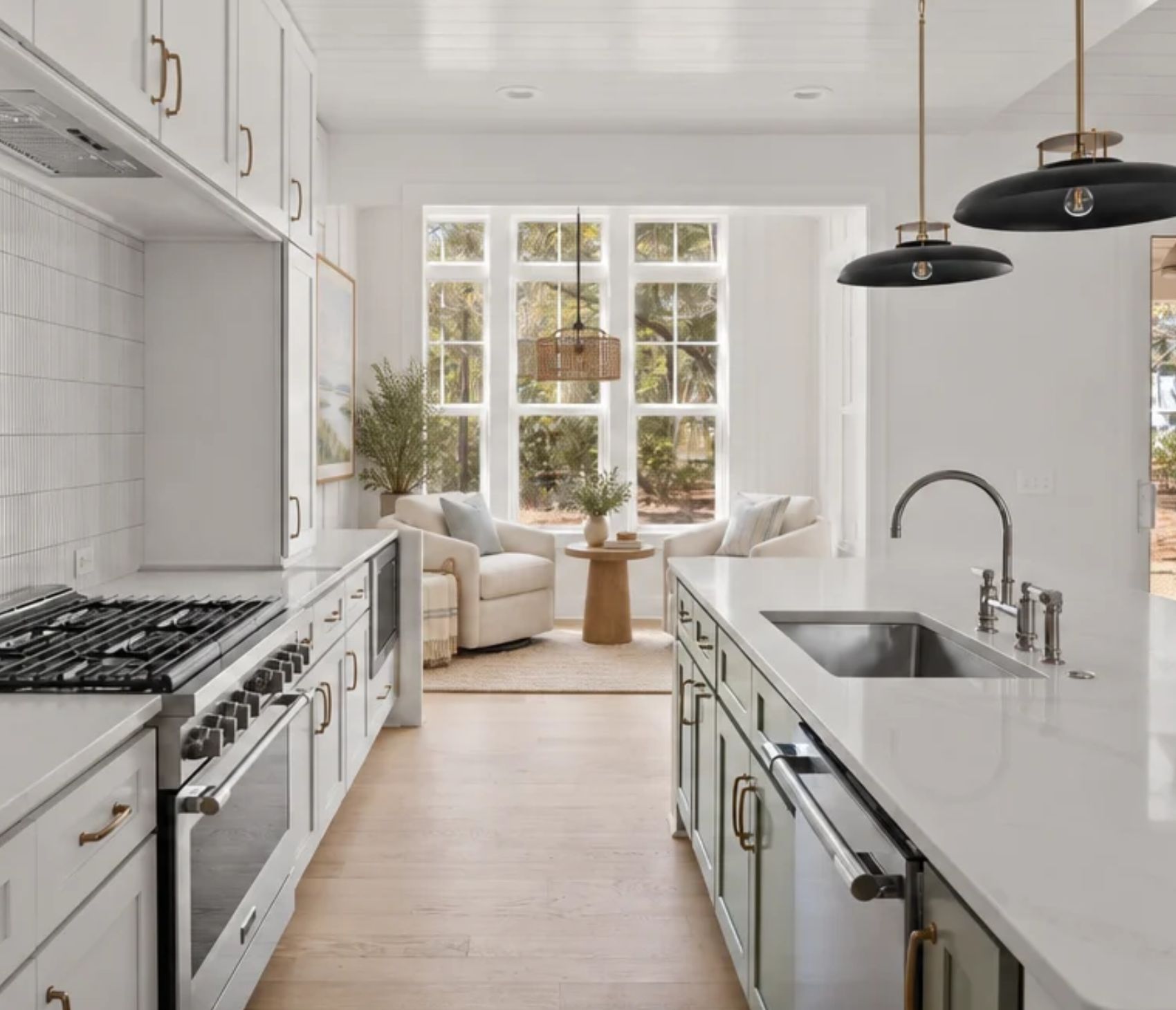
What to Put in a Keeping Room
A keeping room does not need much to work well.
A few comfortable chairs, a small sofa, a side table, a lamp, and a good view can be enough. Built-ins can add storage and character. A fireplace can make the room feel especially cozy. Large windows or porch access can make it feel bright and inviting.
The best keeping rooms are simple. They are not overdesigned. They just give the home one more place to slow down.
A Classic Space with a Modern Purpose
The keeping room has old roots, but it fits modern homes surprisingly well.
It answers a need many homeowners still have: a casual space near the kitchen that feels connected, comfortable, and easy to use every day.
For Airlie Homes, this is the kind of detail that can make a custom floor plan feel more personal. Not every home needs a keeping room, but when the layout calls for one, it can add warmth, function, and a little old-home charm in a way that still feels right for today.