
Airlie News

The Small Design Details That Make a Home Feel More Custom

A custom home doesn’t feel custom because of one big feature. Most of the time, it comes down to the smaller details that make each space feel more intentional.
It might be the way natural light falls into a room. The way a built-in fits perfectly into a wall. The way a hallway feels finished instead of forgotten. These are not always the details people notice first, but they are often the ones that make a home feel thoughtful, personal, and complete.
When a home is designed well, the details work quietly in the background. They make the home feel comfortable, connected, and easier to live in.
Trim and Millwork Add Character
Trim, molding, ceiling details, and built-ins can make a room feel more finished. They add depth and character without needing to be overly decorative.
The key is balance. Too little detail can make a home feel plain. Too much can make it feel busy. The right millwork should fit the style of the home and feel like it belongs there.
This might mean a simple ceiling treatment in the dining room, a built-in around a fireplace, or trim that gives a hallway a little more presence. Small architectural details can help a new home feel established instead of empty.
Lighting Changes the Mood of a Home
Lighting has a major effect on how a home feels, but it is easy to think of it too late in the process.
Good lighting is not only about choosing pretty fixtures. It is about where the light comes from, how it layers throughout the room, and how each space will be used at different times of day.
A kitchen may need bright task lighting, softer pendants over the island, and under-cabinet lighting for everyday use. A living room may feel better with a mix of recessed lighting, lamps, and accent lighting. A porch may need lighting that feels warm and inviting without being too harsh.
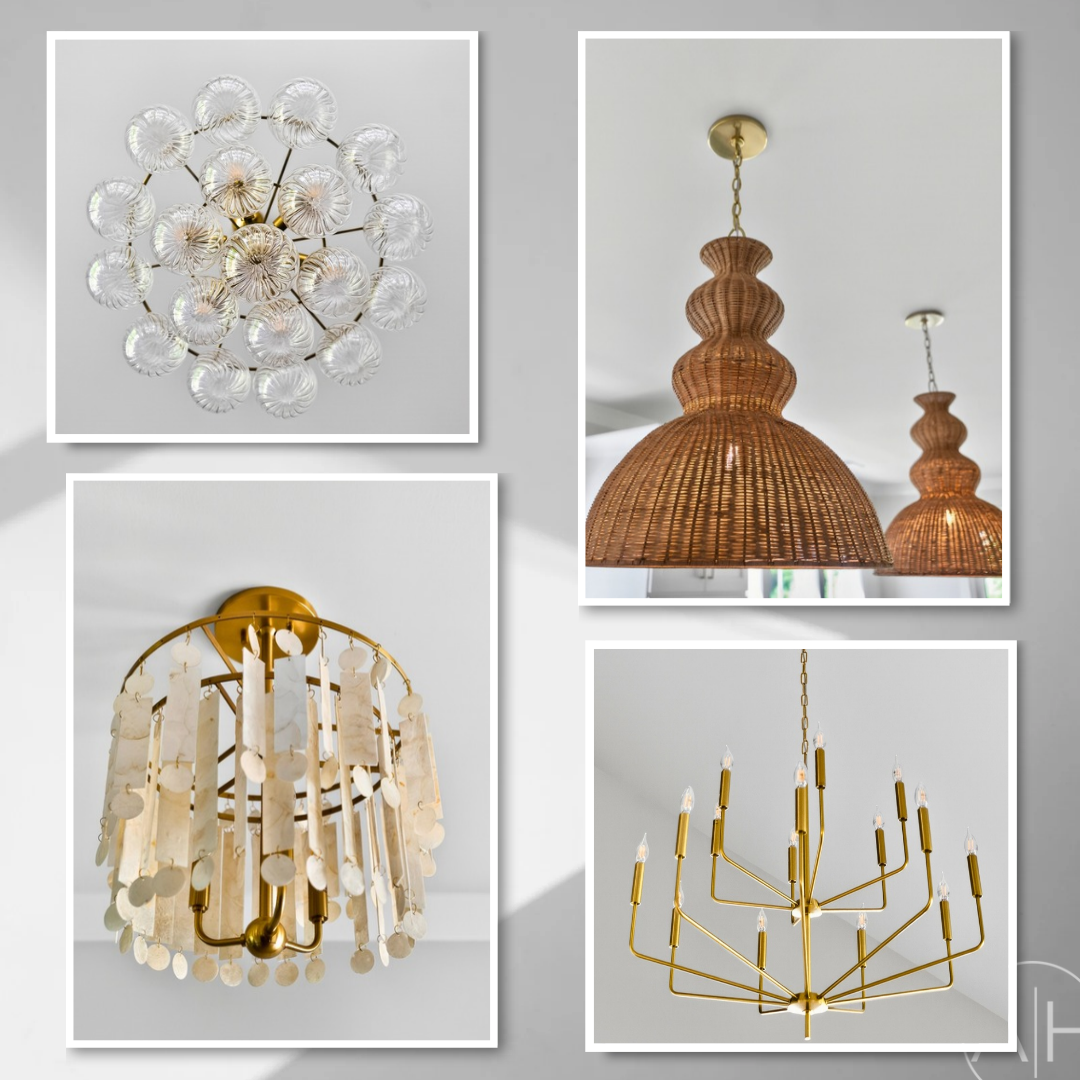
When lighting is planned well, the home feels more comfortable and more custom.
Windows Should Feel Intentional
Windows do more than bring in light. They frame views, create rhythm on the exterior, and affect the way a room feels inside.
A well-placed window can make a small space feel more open. It can bring light into a hallway, highlight a view, or make a kitchen feel brighter throughout the day. Window placement also matters for privacy, furniture layout, and how the home connects to the outdoors.
This is one of those details that can make a home feel designed instead of simply built.
Built-Ins Make a Space Work Harder
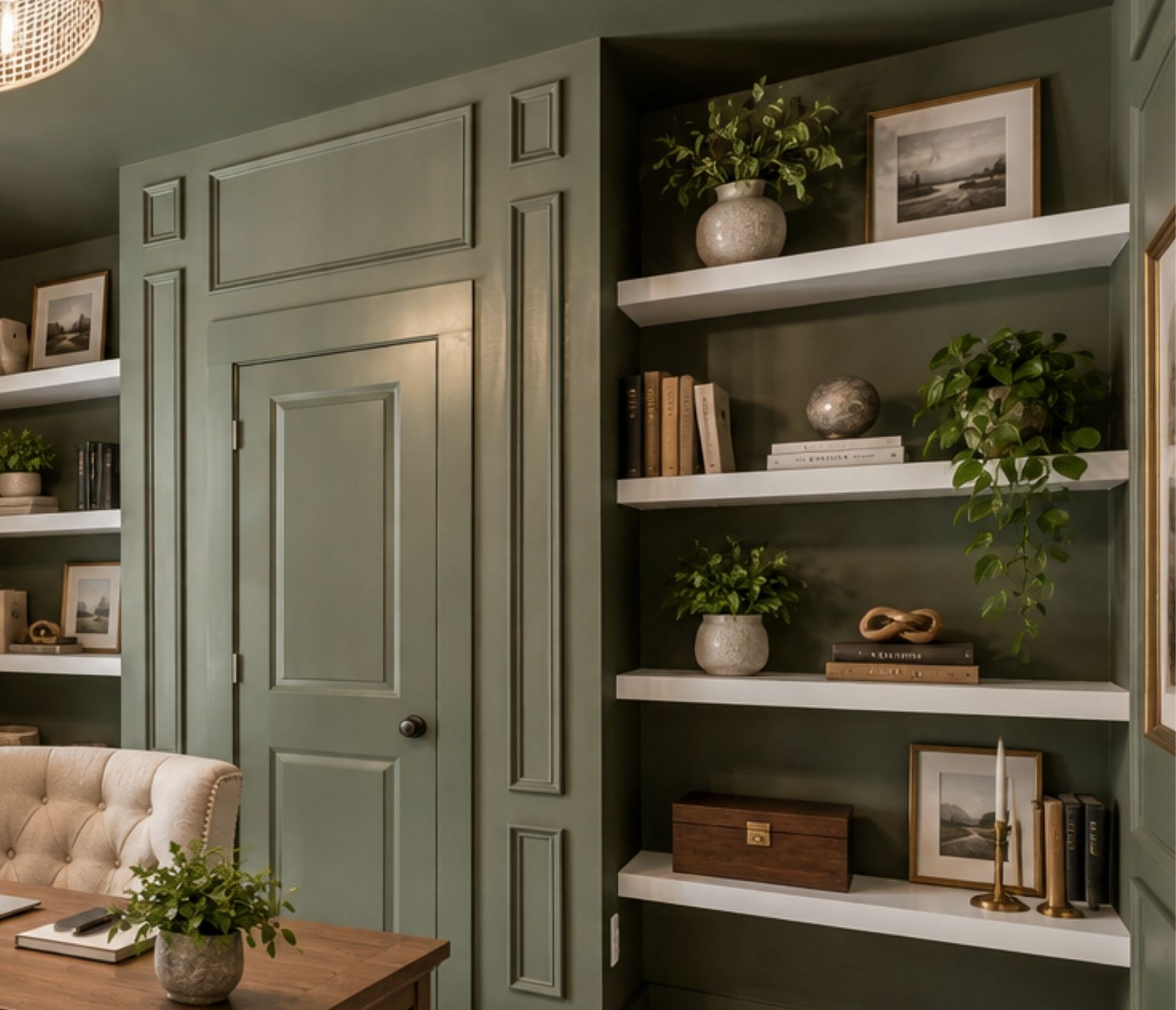
Built-ins are one of the clearest ways to make a home feel custom because they are designed for the way the space will be used.
They can add storage, create a focal point, or make an awkward area more functional. A built-in bench, office nook, bookcase, mudroom cabinet, or media wall can make everyday life feel more organized and natural.
The best built-ins do not feel like furniture placed against a wall. They feel like part of the home.
Cabinet Details Matter
Cabinetry has a big visual impact, especially in kitchens, bathrooms, laundry rooms, and working pantries. But beyond the style and color, the details matter.
Drawer placement, appliance storage, cabinet height, hardware, interior organization, and countertop space all affect how the room works. A beautiful kitchen can still feel frustrating if the cabinets do not support daily routines.
Custom-feeling cabinetry is not always about doing something dramatic. It’s often about making sure the layout fits the way people cook, clean, store, and gather.
Transitions Should Feel Natural
The way one space leads into another can change the entire feel of a home.
A doorway, hallway, stair landing, porch entrance, or change in ceiling height can either feel abrupt or intentional. Thoughtful transitions help the home feel connected. They give each space its own purpose without making the layout feel chopped up.
This matters especially in open floor plans, where the goal is not just openness. The goal is flow.
Outdoor Connections Make a Home Feel More Personal
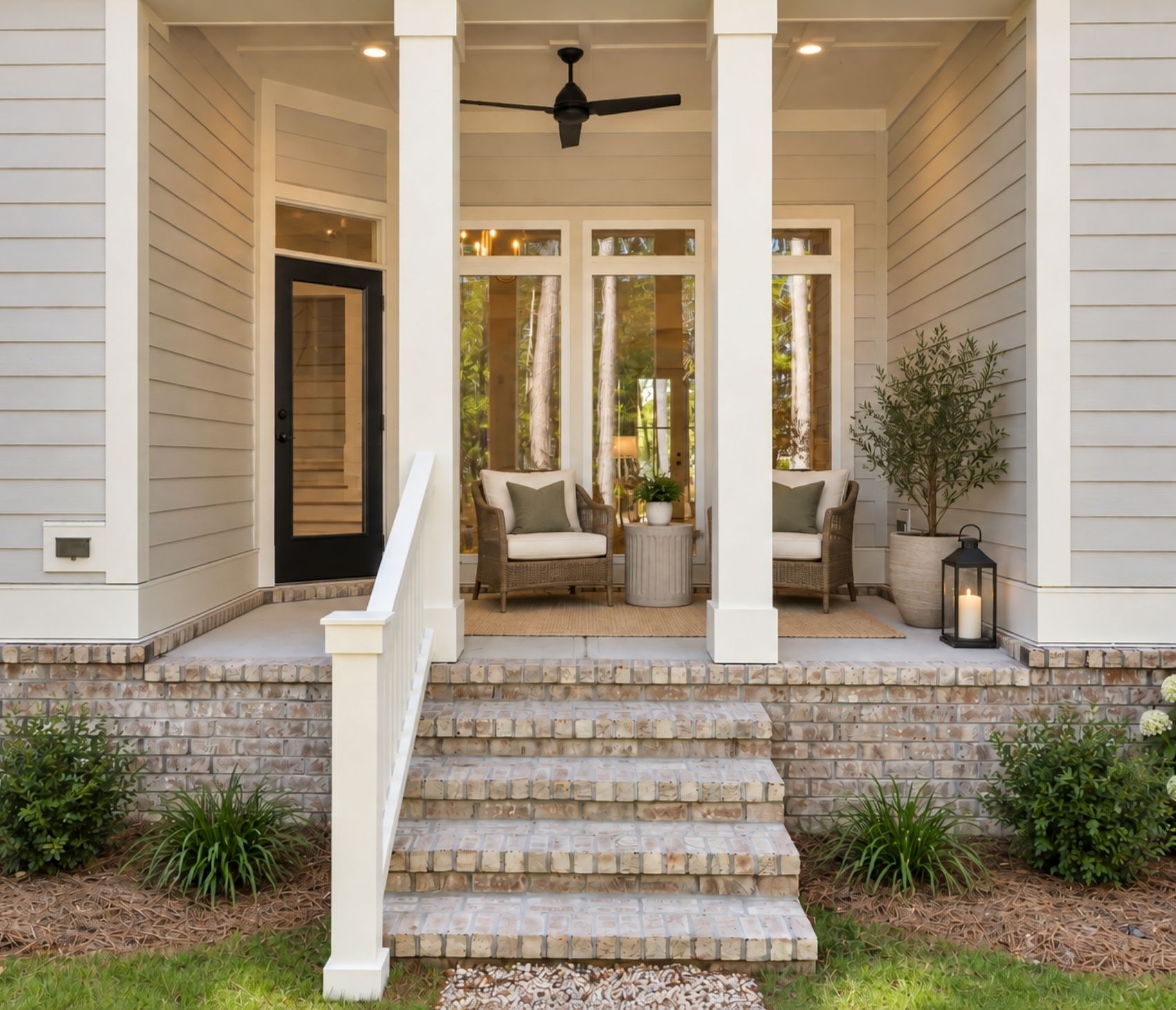
In coastal North Carolina, outdoor spaces are a big part of how people live at home. The connection between indoor rooms and outdoor living areas can make a home feel more custom because it reflects the way the homeowner wants to spend time.
A porch off the main living area, doors that open naturally to an outdoor space, or windows that bring in a view can all make the home feel more connected to its setting.
These details don’t need to be oversized or dramatic. They just need to make sense for the home.
The Best Details Feel Natural
The small details that make a home feel custom are not always the loudest ones. Often, they are the details that make the home feel easier, warmer, and more complete.
A well-placed window. A useful built-in. A hallway with character. A kitchen that works the way it should. A porch that feels connected to daily life.
Those are the details people appreciate more over time. They are also what help a home feel like it was designed with real life in mind, not just finished to look good on move-in day.