
Airlie News

What Homebuyers Should Know About Energy-Efficient Features

Energy efficiency isn’t just a trend. For today’s homebuyers, it’s an important part of comfort, long-term savings, and building a home that performs well through every season, especially in coastal North Carolina where humidity, heat, and salt air all play a role in how a home lives over time.
Here’s a clear, practical look at the energy-efficient features that matter most and why they make a meaningful difference in a new home.
High-Performance Insulation That Works in Coastal Climates
Insulation is one of the biggest contributors to year-round comfort. In southeastern North Carolina, the goal is to keep conditioned air inside during warm, humid months while helping regulate temperatures when winter gets cooler.
Homebuyers should pay attention to:
- Consistent insulation coverage for fewer hot and cold spots
- Air sealing around windows, doors, and attic spaces
- Insulation in all required areas, including exterior walls, attic, and floors over unconditioned spaces
Good insulation helps reduce the strain on HVAC systems, which supports lower energy use over time.
Efficient Windows That Help Control Heat and Light
Windows do more than frame a view, they can significantly impact comfort and utility costs.
In this region, look for:
- Low-E glass, which helps reflect heat and filter UV rays
- Energy-efficient frames designed to handle humidity
- Tight seals to reduce air movement during coastal weather shifts
These features help maintain indoor temperatures without sacrificing natural light, something homeowners along the Carolina coast value.
Smart Thermostats for Smarter Energy Use
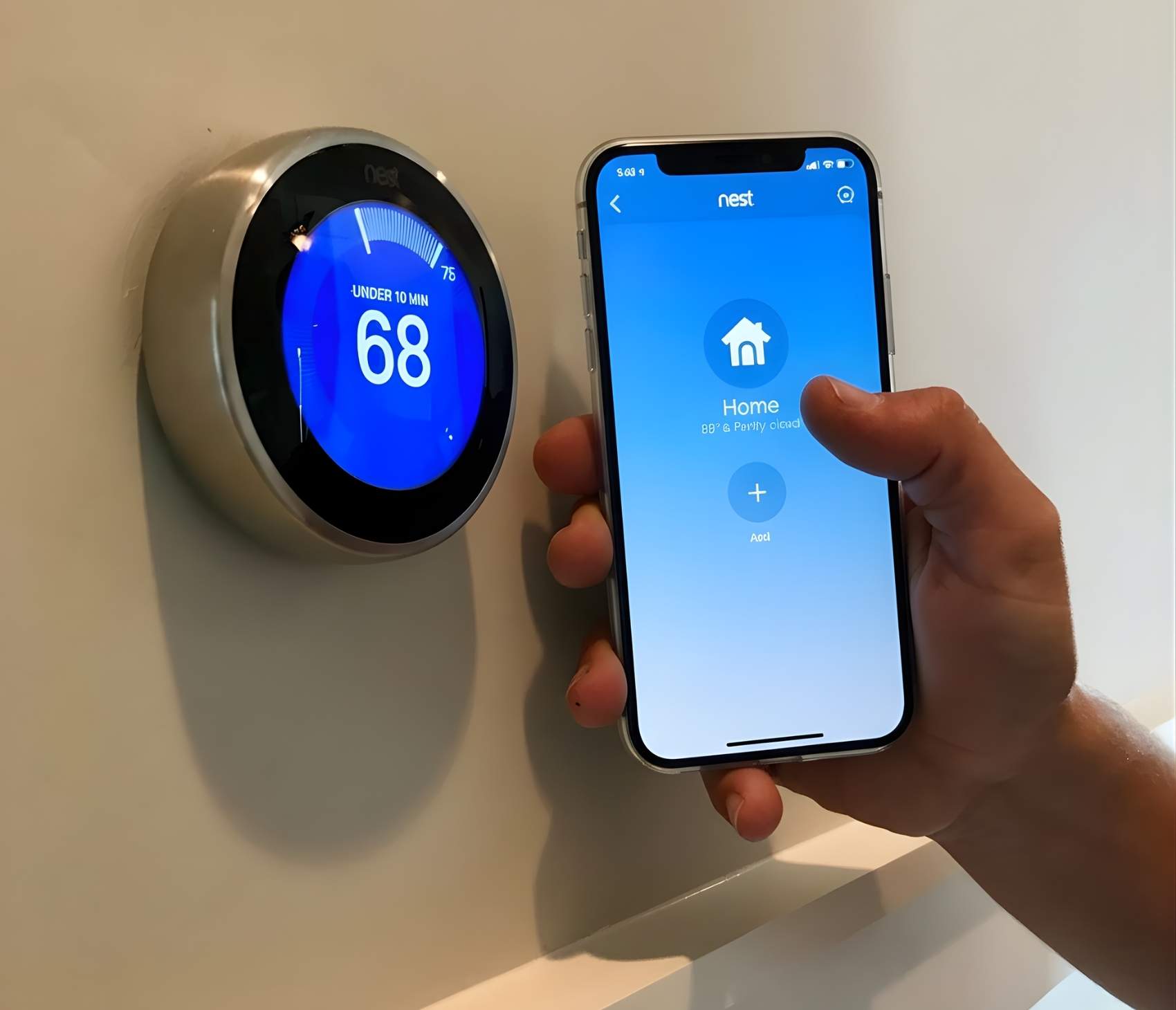
Smart thermostats have quickly become one of the most practical upgrades in new homes. They allow homeowners to:
- Adjust temperatures from a phone
- Schedule heating and cooling based on daily routines
- Track energy use over time
Small changes, like adjusting the temperature while away, can support meaningful long-term savings without affecting comfort.
Modern HVAC Systems Designed for Efficiency
A home’s heating and cooling system plays a major role in energy use. New construction homes in North Carolina typically include:
- High-efficiency heat pumps, which perform well in this climate
- Advanced filtration options, improving indoor air quality
- Balanced ventilation, helping manage humidity
When these systems work together with good insulation and tight construction, homeowners get better temperature control and quieter, more efficient operation.
Materials That Support Long-Term Performance
Energy efficiency isn’t just mechanical; it’s also built into the structure itself. Many of today’s building materials are designed to help homes stay comfortable and durable over time.
Elements that matter include:
- Properly sealed building envelopes, reducing unnecessary air movement
- Durable exterior materials that hold up well to humidity and salt air
- Quality roofing and underlayment, helping manage heat and moisture
Each of these contributes to how efficiently a home performs throughout the year.