
Airlie News

The Difference Between a Pantry and a Working Pantry

For a long time, a pantry was pretty straightforward. It was where the extra food went. Cereal, snacks, paper towels, serving trays, the appliances you didn’t want sitting out on the counter. Still useful, of course. But as kitchens have become more open to the rest of the home, the pantry has started to do a little more work.
When your kitchen is connected to the living room, dining area, or porch, there is not much room to hide the everyday mess. Coffee cups, lunch boxes, small appliances, serving dishes, groceries waiting to be put away, it all becomes part of the view.
That is where a working pantry can make a lot of sense. A traditional pantry and a working pantry both support the kitchen, but they do it in different ways.
A Pantry Is Mainly for Storage
A traditional pantry is designed to keep things organized and easy to reach. It might be a cabinet pantry, a closet-style pantry, or a walk-in space near the kitchen. The main goal is simple: give everyday items a place to go so the kitchen can function better.
A good pantry can hold dry goods, snacks, paper products, serving pieces, and the small appliances that do not need to live on the counter every day. It can also help keep the kitchen from feeling crowded, especially when the main living spaces are nearby.
The best pantry setup depends on the way the home is used. Some households need more room for snacks and lunch supplies. Others need space for entertaining pieces, bulk items, or baking supplies. The right pantry is less about size and more about how well it supports daily life.
A Working Pantry Does More Than Hold Things
A working pantry takes storage a step further. Instead of being only a place to put things away, it becomes a place where some of the kitchen work can happen. It may include counter space, outlets, cabinetry, open shelving, or room for small appliances.
That can make a big difference in a busy home.
A working pantry can become the place where coffee gets made in the morning, lunches get packed, desserts wait before guests arrive, or the toaster and blender stay plugged in without taking over the main kitchen. It gives all those small routines a home of their own.
The point is not to create a second kitchen. It is to give the main kitchen a little breathing room.
Why People Like Them So Much
Open kitchens are beautiful, but they are also honest. If dishes are stacked by the sink, if groceries are still sitting on the island, or if every small appliance is out at once, everyone can see it. That is part of real life, but it is also why homeowners are paying more attention to the spaces around the kitchen.
A working pantry helps keep the main kitchen cleaner and calmer, especially during busy mornings, holidays, and casual gatherings.
For people who like to host, it can be especially helpful. Drinks can be set up out of the way. Extra plates can sit nearby. Food can be staged before serving without covering every inch of the island.
For everyday life, it can make the kitchen feel easier to use, not just prettier to look at.
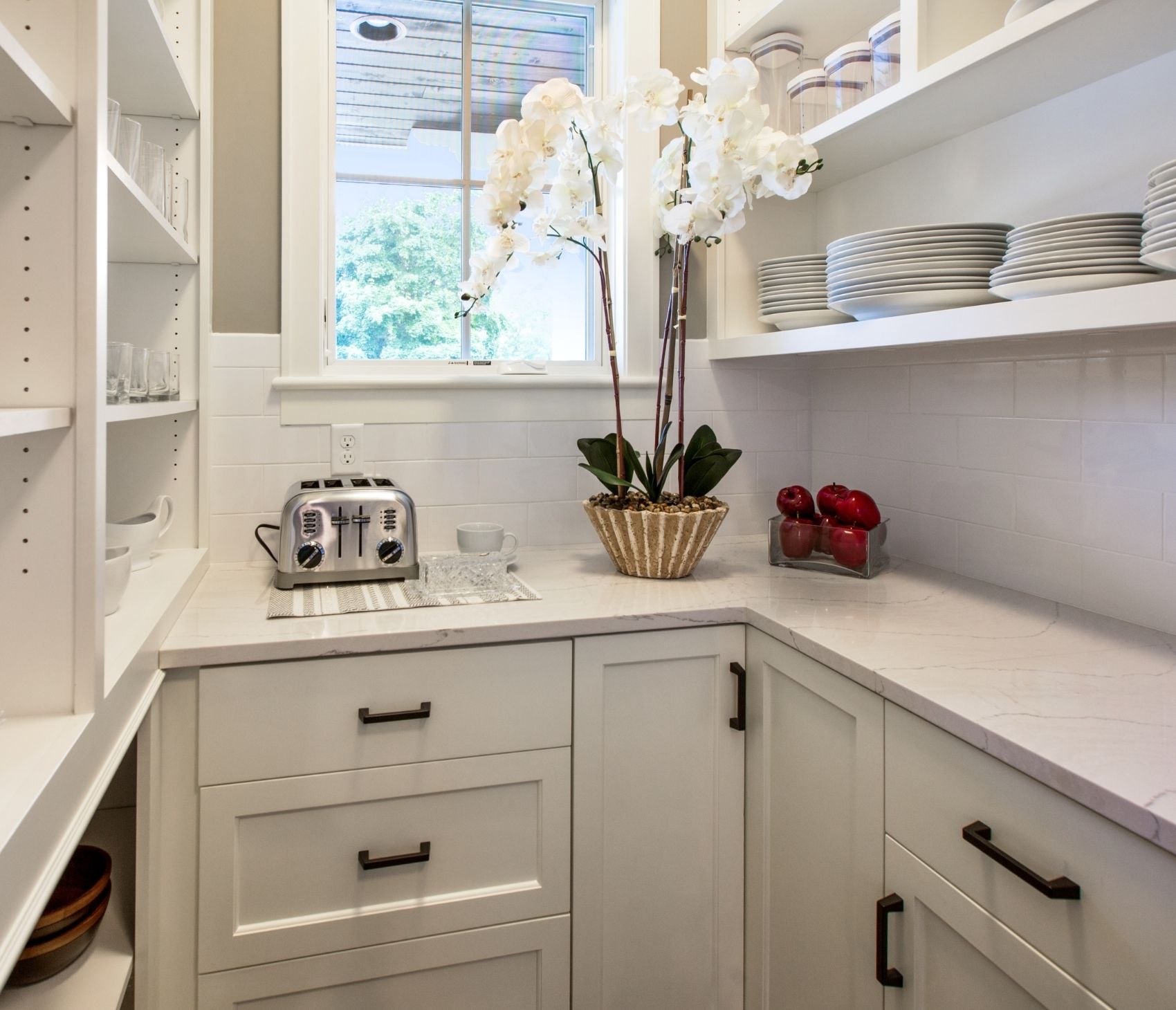
The Main Difference Comes Down to Use
A pantry stores what the kitchen needs. A working pantry supports what happens in the kitchen. That is really the simplest way to think about it.
A traditional pantry may be the right choice if the main need is storage. A working pantry may be worth considering if the home needs more support for cooking, hosting, coffee, appliances, or everyday routines.
One is not automatically better than the other. The right choice depends on how the home will actually be used.
What to Think About Before Adding One
A working pantry should make life easier. It should not become a space that sounds good on paper but rarely gets used. Before adding one to a custom home plan, it helps to think through a few real-life questions:
- What would you want to keep in there?
- Would you use it for coffee, prep, serving, storage, or small appliances?
- Would it need outlets?
- Should it be tucked away, or should it feel connected to the kitchen?
Placement matters too. If a working pantry is too far from the main kitchen, it may not be as useful. It should feel close enough to be convenient without crowding the main cooking and gathering space.
Size is another thing to think about. Bigger is not always better. A smaller working pantry with a clear purpose can be more useful than a larger space that was not planned around real habits.
A Better Kitchen Usually Starts Behind the Scenes
The best kitchens are not always the ones with the biggest island or the most dramatic finishes. Sometimes, they work well because the less obvious spaces were planned carefully.
A pantry can make a kitchen feel organized. A working pantry can make it feel easier to live in.
When planning a custom home, these are the details that can make a difference every day. The goal is not to add features just because they are popular. It is to create a home that supports the way life really happens.