Airlie News

The Difference Between Coastal and Lowcountry Home Design

If you’ve spent time looking at homes in the Carolinas, you’ve probably seen the terms coastal and Lowcountry used often. Sometimes they’re used almost like they mean the same thing, but there are a few real differences between the two.
Both styles are tied to life near the water. Both make room for outdoor living, natural light, and easy movement through the home. Still, they come from slightly different ideas.
Coastal design is broader. Lowcountry design is more rooted in the architecture and climate of the coastal Southeast.
Understanding the difference can help you get a better feel for the type of home that fits your taste, your lifestyle, and the way you want to live near the Carolina coast.
What Is Coastal Home Design?
Coastal home design is inspired by life near the water.
It often feels light, open, and relaxed. Interiors tend to focus on natural light, comfortable gathering areas, and a strong connection to outdoor spaces. Large windows, open living areas, and soft, natural colors are common because they help the home feel bright and easy to live in.
In coastal North Carolina, this style often reflects the way people spend time at home. Porches, patios, large doors, and casual living spaces all help connect the inside of the home with the outdoors.
Common coastal design features include:
The overall feel is welcoming, casual, and closely tied to the surrounding landscape.
What Is Lowcountry Home Design?
Lowcountry home design has deeper roots in the coastal regions of the Carolinas and Georgia.
The style was shaped by the climate, landscape, and way of life in the coastal Southeast. Long before air conditioning, homes had to be designed with heat, humidity, shade, and airflow in mind.
That’s why many classic Lowcountry features are both beautiful and practical. They have character without feeling overly formal, which is part of what makes the style so appealing.
Common Lowcountry design features include:
Lowcountry homes often feel timeless, grounded, and connected to regional tradition.
The Porch Plays a Bigger Role in Lowcountry Design
If one feature immediately brings Lowcountry architecture to mind, it’s the porch.
Porches appear in many coastal homes, but they tend to play a much larger role in Lowcountry design. They are not there just for curb appeal. They are part of how the home lives.
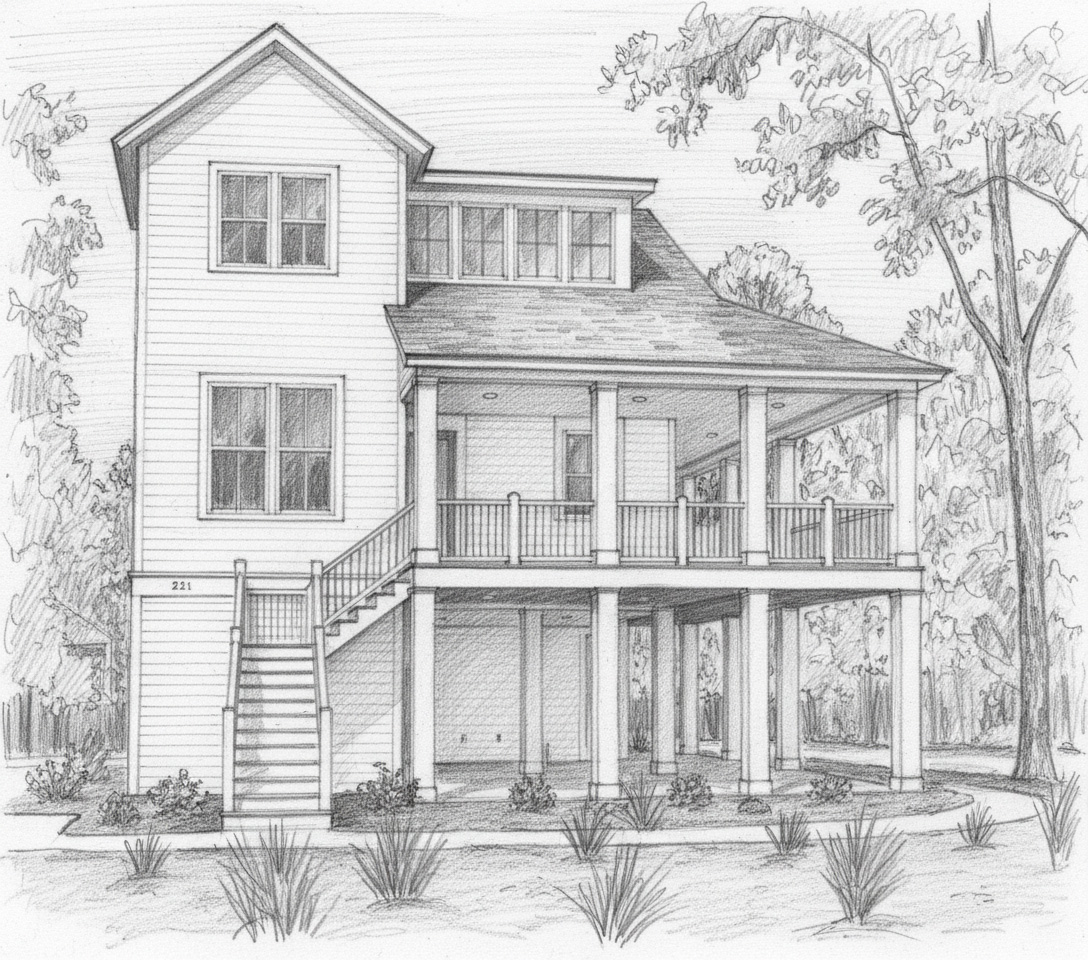
Historically, deep porches created shade and helped keep interiors more comfortable. They also gave families a comfortable place to gather outside while staying protected from direct sun.
Today, those same porches still make sense. They create space for morning coffee, quiet evenings, casual conversations, and time spent enjoying the outdoors without feeling fully exposed to the elements.
In many Lowcountry-inspired homes, the porch feels like an extension of the main living area.
Coastal Design Often Feels Light and Relaxed
The spaces tend to feel bright, breezy, and simple. There is often less emphasis on traditional architectural details and more focus on comfort, views, natural light, and easy indoor-outdoor living.
That does not mean coastal homes are plain. A well-designed coastal home can still feel layered and thoughtful. The difference is that the style often feels more relaxed and less tied to one specific architectural tradition.
Lowcountry Design Often Feels More Rooted in Place
Lowcountry homes are usually more connected to regional history.
The style reflects the way homes were built to work with the coastal Southeast’s climate. Tall ceilings, shaded porches, generous windows, and raised foundations all developed for practical reasons, but they also created a look that has lasted for generations.
That sense of history gives Lowcountry homes a more rooted feel.
They often feel like they belong to the region, not because they copy the past exactly, but because they carry forward details that still make sense today.
Why the Two Styles Often Overlap
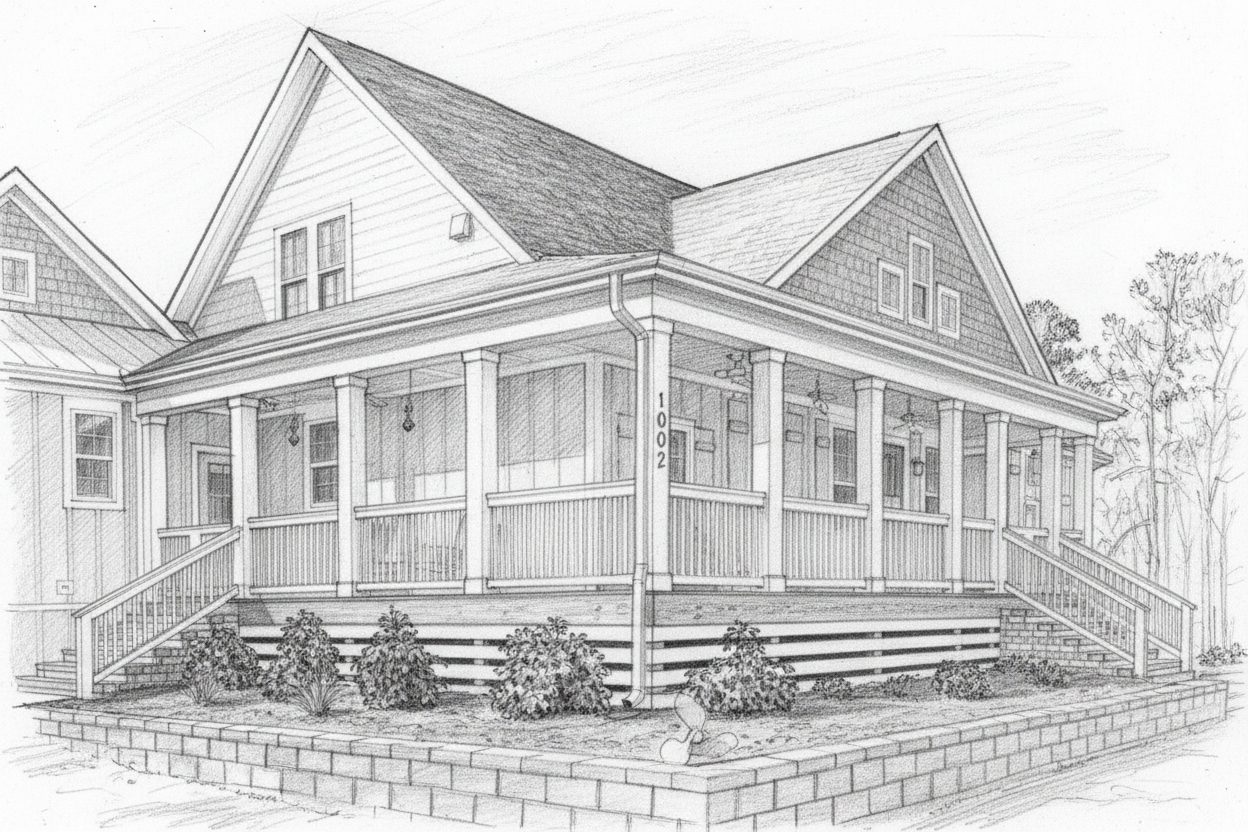
In southeastern North Carolina, coastal and Lowcountry design often blend together.
A home may have the bright, open feel of coastal design along with the deep porches and classic proportions associated with Lowcountry architecture. That combination works well because it reflects the way people live here.
Homes along the Carolina coast need to feel comfortable, inviting, and connected to the outdoors. They also need to make sense for the climate, the lot, and the lifestyle of the homeowner.
That is where the overlap between coastal and Lowcountry design can be especially appealing.
Which Style Fits Your Home Best?
The right direction depends on what you are drawn to.
If you love bright interiors, open gathering spaces, and a relaxed connection to the outdoors, coastal design may be the style you notice first.
If you’re drawn to deep porches, timeless details, and a stronger sense of regional character, Lowcountry design may feel more like home.
Many homeowners along the Carolina coast end up liking a mix of both.
The best homes are not defined by a single label. They are shaped by the land, the lifestyle, and the details that make daily living feel natural.